
Local Elections, King’s Speech, Economic Impact of the Gulf Conflict, and a bit more….
Local Elections
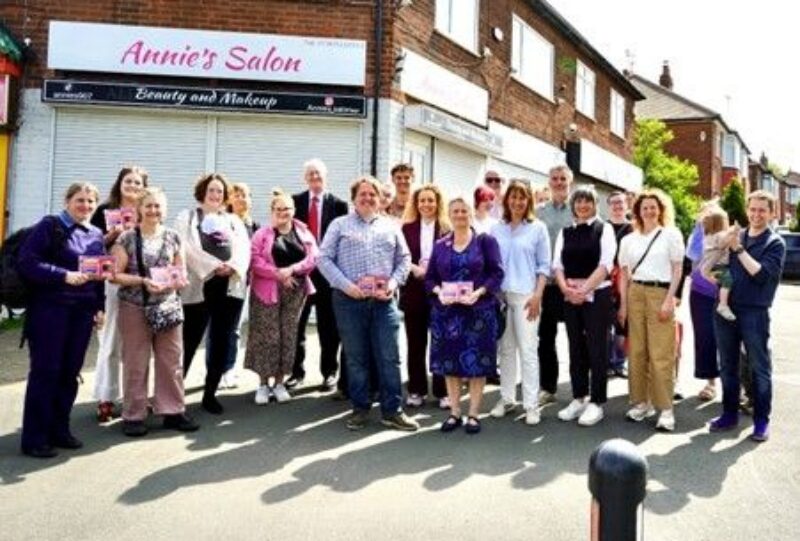
I won’t beat about the bush. These were really bad local election results, and I am really sorry that so many good candidates here in Leeds South were not elected. So, commiserations to Sarata Sawo, Al Garthwaite, Innocent Igiehon, Tim Dowd and Julia Almond, alongside congratulations to Luke Farley on his re-election.
It is not the first time a sitting Labour Government has suffered big local election losses – in 1999 we lost over 1,100 seats but came back to win the next general election. However, I realise that we now face twin challenges from the Greens and Reform.
By any measure, we have done quite a lot already.
The Employment Rights Act, the biggest upgrade to workers’ rights in a generation
The Passenger Public Services (Public Ownership) Act, establishing Great British Rail – a publicly owned and accountable body to improve rail services and keep fares low
The Great British Energy Act, establishing a publicly owned organisation to bring clean energy and cheaper bills to British consumers and industry
The Renters Rights Act, providing renters with security and dignity in housing by outlawing no-fault evictions amongst other protections for private renters
The Removal of Two Child Limit Act, lifting 450,000 children out of poverty and providing security to working families by removing the arbitrary two-child benefit cap
The Water (Special Measures) Act, reversing the Tory decline in environmental standards and accountability in the water industry, empowering consumers and holding water bosses to account
The Crime and Policing Act, tackling violence against women and girls, anti-social behaviour and retail crime, and rebuilding public confidence in policing and the wider criminal justice system
The English Devolution and Community Empowerment Act, making good on our promise to give back control to local communities and provide mayors with unprecedented powers to deliver growth.
We all understand that the cost of living crisis, with many families not having seen a rise in their living standards in over a decade, is making the electorate anxious and impatient for change. It’s our job to get on with delivering the change we promised.
King’s Speech
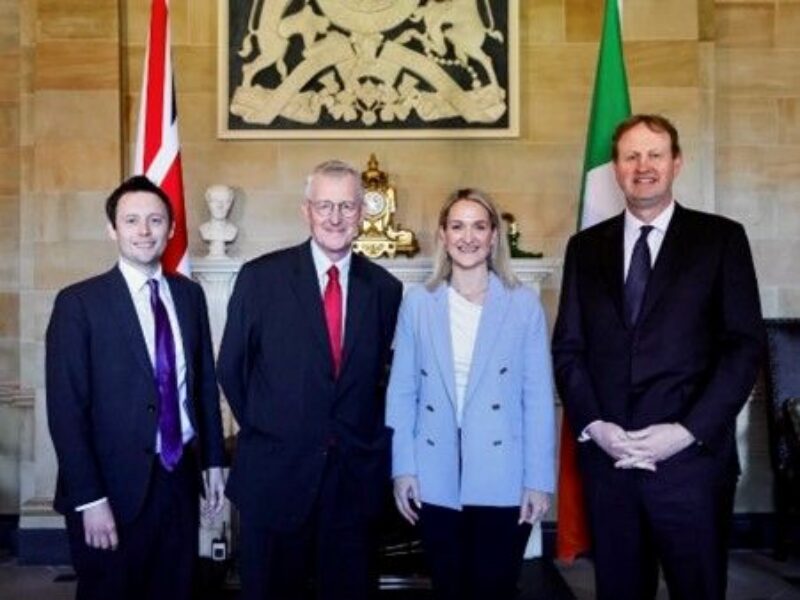
This King’s Speech – Labour’s programme for government in this second Parliamentary session – seeks to:
Strengthen our economic security
Our immediate challenge is to remove the barriers to growth. That means adopting an industrial strategy to create more high paid jobs, with an apprenticeships plan to match, and an economic plan that is driving down inflation and interest rates. We will introduce bills covering European Partnership, Nuclear Regulation, Competition Reform, Highways Financing, Commonhold and Leaseholders’ Rights, Steel and Clean Water to address these challenges.
Improve opportunity
We are no longer leaving people to tread water; instead, we want to empower people, so that they are ready to seize opportunities to enjoy and improve their lives. And we will fight for every child to have the chance to go as far as their talent and effort will take them. Bills on Education for All, Commonhold and Leaseholders’ Rights, and Social Housing Renewal will build on measures from the first session to create space for opportunity to thrive. Labour is taking action to further help working people to go as far as their talent or effort takes them.
Strengthen our energy security
To help families with the cost of bills and make us more resilient to energy price shocks, we need to carry on with our plan to get off the oil price rollercoaster. Both the Energy Independence Bill and Nuclear Regulation Bill will strengthen us against energy price shocks for the long-term. Labour is also taking action to protect households and industry from global instability, with clean, homegrown energy independence.
Strengthen our national security
We know that only countries with strong communities and a shared sense of purpose will thrive in the years ahead. That’s why we’re taking on extremism wherever it appears, including where it is sponsored by hostile states such as Iran. And it’s why we’re delivering a firm but fair immigration system that restores control and earns public trust.
We will introduce bills strengthening National Security, Cyber Security and Resilience and the Armed Forces, as well as our Immigration and Asylum systems, and Tackling State Threats. Labour is building back the sense of pride we’ve lost in our local communities and returning a sense of security and control to working people.
Strengthen and reform the state and public services
The Tories hollowed out the state with fourteen years of austerity, so that it no longer served the interests of British people, and left local communities feeling underserved and unprotected. This Labour government is rebuilding stronger public services, which actively support working people and address their needs, to build a more resilient country for all. We will achieve this through an NHS Modernisation Bill, Digital Access to Services Bill, Public Office (Accountability) Bill, and Police Reform Bill. Labour is rebuilding an active state.
Economic Impact of the Gulf Conflict
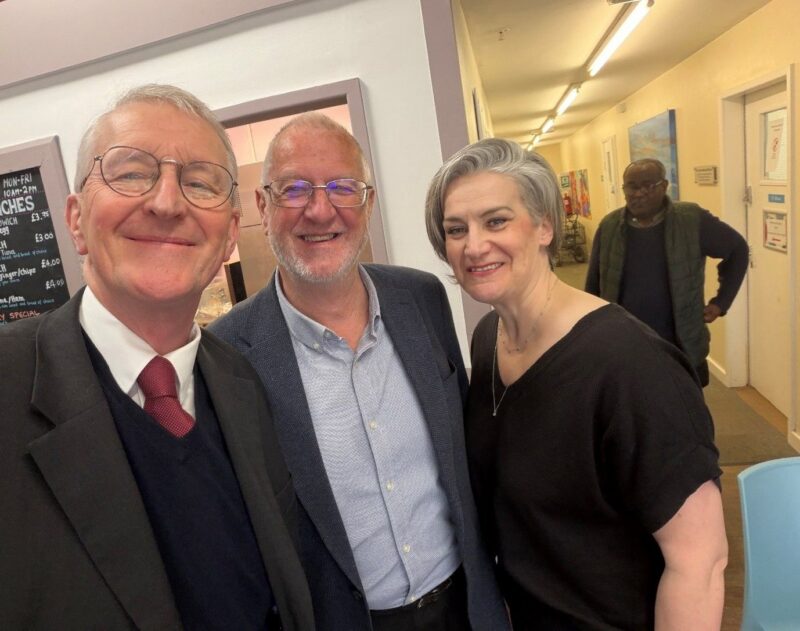
The continuing impact of the US-led conflict, which the Prime Minister was absolutely right not to get involved in, is having huge economic consequences. Higher oil prices are pushing up the cost of filling up the car and doing the weekly shop, as well as affecting business costs and economic activity. We are keeping a very close eye on oil, gas and jet fuel supplies given the continuing closure of the vital Strait of Hormuz.
The ONS confirmed that Britain’s economy was the fastest growing in the G7 for the first quarter of this year. We beat the Office for Budget Responsibility’s forecast in the spring, with economic growth at 0.6% in the three months to March. And because of the resilience of our economy, the International Monetary Fund upgraded Britain’s forecast for this year.
Borrowing last year was £20 billion lower than the previous year, and the latest forecasts show it falling in every year of this Parliament. The IMF has backed our economic plan, saying that the Government’s fiscal framework strikes “a good balance between deficit reduction and growth-friendly spending”.
Since the election, interest rates have been cut six times; real wages have continued to rise in every single month; and inflation fell faster than expected in April, making the UK the only G7 economy where inflation fell last month.
We have the right economic plan, but the conflict in the middle east poses a significant challenge to the world’s economy, including our own. We know the pressure that family finances are under, which is why we have already taken action to provide help. We have increased the national living wage and the national minimum wage to their highest rates ever, frozen prescription charges for two years in a row, and frozen rail fares for the first time in 30 years. We have also taken £150 off energy bills, which contributed to last month’s fall in inflation. And we stand ready to act if market conditions worsen significantly later this year.
For businesses, we have already increased support for our most energy-intensive industries through the British industry competitiveness scheme, which we have brought forward. We have set up a £350 million critical chemicals resilience fund to support strategically important producers, and a new £120 million fund to help our historic ceramics sector.
The Government has set out additional, targeted support for those businesses most exposed to rising fuel costs. We are granting hauliers a 12-month road tax holiday for heavy goods vehicles, saving the typical heavy lorry up to £912. To support farmers and the rail freight industry, we have decided to cut duty on red diesel by over a third until the end of this year and have announced a 10p per mile increase in tax-free mileage rates, backdated to April 2026. This will benefit those who need to drive for work, from care workers to plumbers.
As well as all this, we have already extended the 5p cut in fuel duty twice since the election, and there will be no rise this year, recognising the pressure that the war has put on fuel prices.
We are suspending tariffs on over 100 different foods sold in supermarkets. I am clear that I expect supermarkets to pass those savings on in full to their customers.
We are bringing forward tough new powers so that the Competition and Markets Authority and other regulators can take action when firms break the rules.
For many families, driving is not always an option. Buses are the most popular form of public transport in Britain, with over 4 billion journeys made last year. We have already extended the £3 bus fare cap to March 2027, and bus travel across England will be free for children aged between five and 15 throughout August.
Finally, we recognise that what matters for families is not just getting by but being able to enjoy time together without worrying about the next bill. That is why we are launching the great British summer savings scheme, to help families and to support our hospitality sector, including through a temporary cut in the rate of VAT on summer attractions from 20% to 5% over the summer holidays.
That’s what we expect from a Labour Government – practical help.
Local, Political and Parliamentary Activity
- Local Election campaigning in Leeds, Ealing and Reading
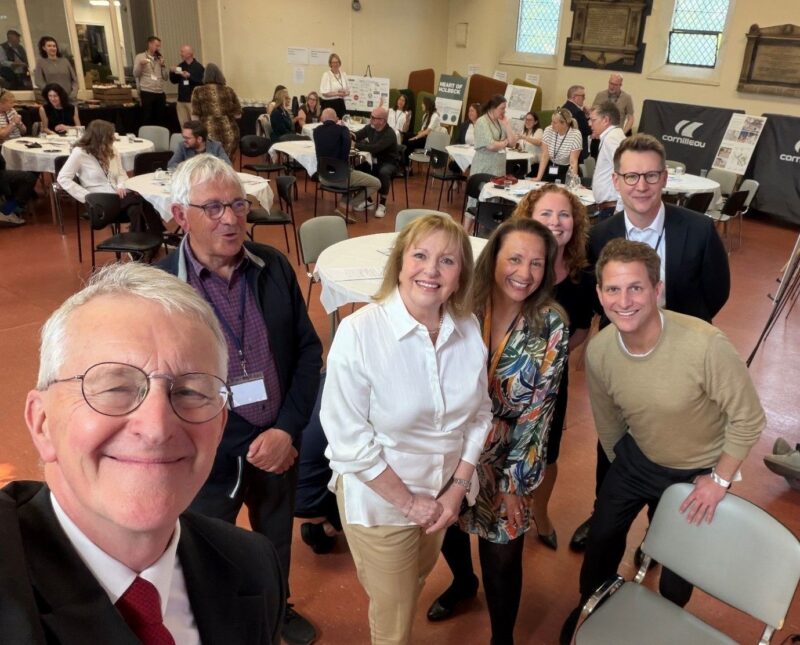
- Attended the British Irish Intergovernmental conference in Hillsborough Castle
- Visited Leeds Utd to meet their new owner Peter Lowry
- Zoom meeting with residents of the Chandlers about cladding and fire safety
- Meetings with NI Party Leaders
- Attended the Holbeck Together Business Alliance lunchtime event
- Oral statement on the Dillon Judgement
- National, Leeds and NI media on current political developments
- Appeared on BBC Any Questions from Grassington
- South Leeds Life Column